Ashwagandha Hair Loss: What to Know About This Adaptogen and Your Hair
The short answer
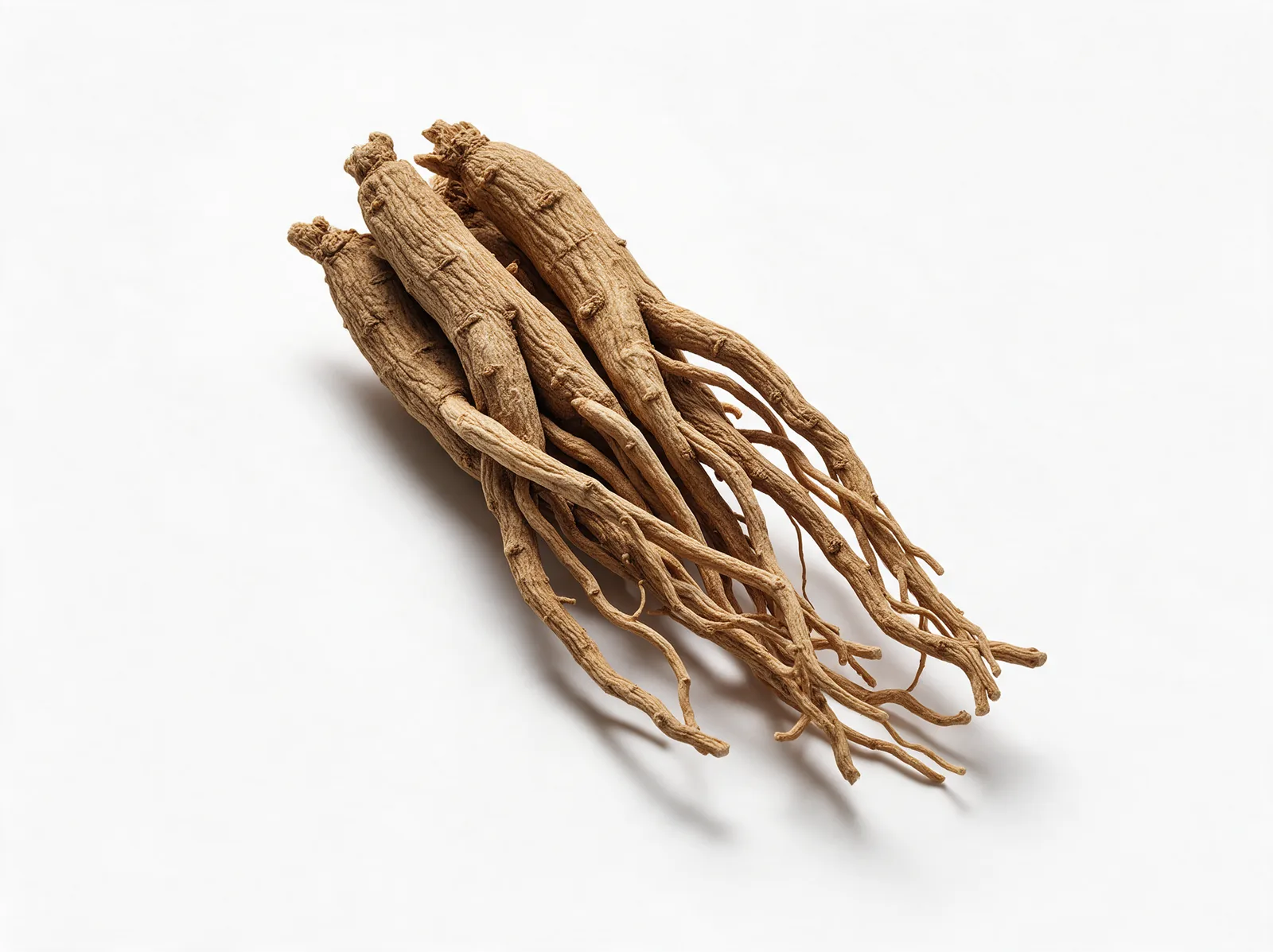
Research hasn’t shown ashwagandha to be a common cause of hair loss, and the NIH doesn’t list hair loss among its usual side effects. Two small 75-day trials of one ashwagandha root extract, one taken as a capsule and one applied as a scalp serum, reported greater improvements in some hair measures than placebo, but both were run at a single clinic, so more research is needed. Ashwagandha may affect thyroid function and interact with some medications, so check with a healthcare professional before taking it.
What Should You Know About Ashwagandha and Hair?
Ashwagandha has a long history in traditional medicine and has gained attention for its potential effects on stress. More recently, researchers have begun exploring its possible role in hair health. But could it help with hair shedding, or are the benefits still uncertain?
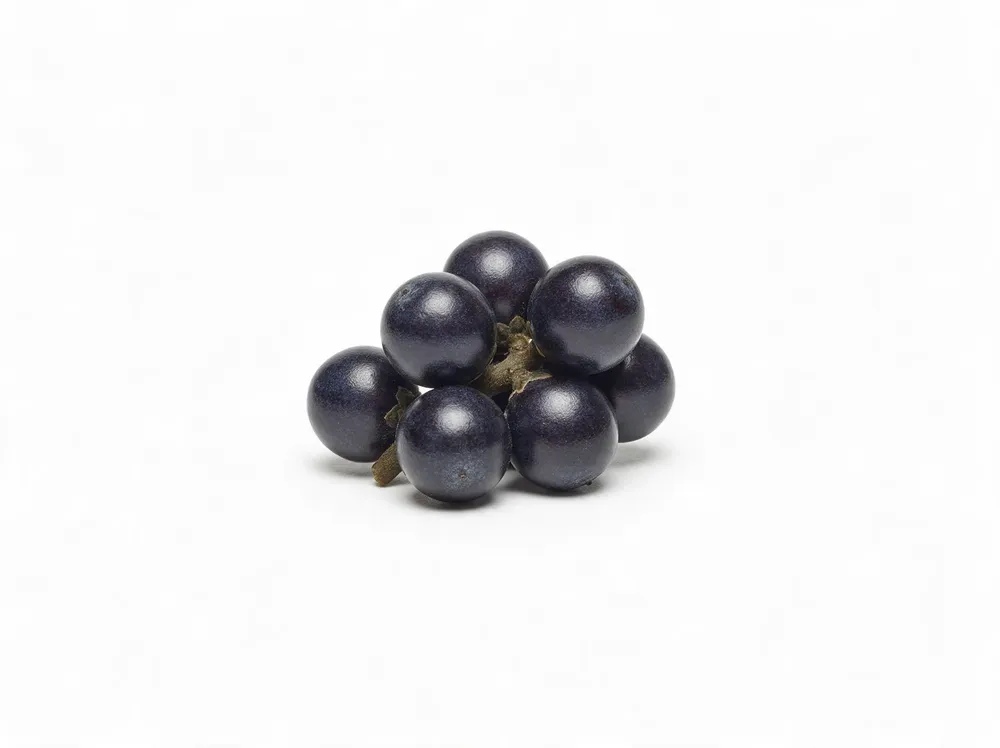
Known scientifically as Withania somnifera, this botanical is now being studied for its effects on hair-related measures. Here's what the evidence shows, where questions remain, and what to consider before taking an ashwagandha supplement.
What Is Ashwagandha and Why Is It Used in Hair-Wellness Formulas?
Ashwagandha is a plant traditionally used in Ayurvedic medicine. It is often described as an adaptogen, a term used for substances thought to help the body respond to stress. The NIH Office of Dietary Supplements summarizes research on ashwagandha primarily involving stress, anxiety, and sleep; its fact sheet doesn’t address hair.
Its link to hair health comes from stress, which can disrupt the hair cycle and trigger shedding. However, managing stress does not necessarily prevent hair loss. Whether ashwagandha offers any direct benefit for hair growth remains unclear. Differences in extracts, doses, and study methods make the current evidence difficult to assess.
What Does the Research Say About Ashwagandha for Hair?
Research on ashwagandha for hair is still emerging. Two relevant randomized, placebo-controlled human trials have examined specific ashwagandha root extracts, one taken orally and the other applied topically. Both reported improvements in certain hair-related measures, but their findings need to be interpreted within the limits of each study. Both trials used the same branded extract (KSM-66), supplied by its manufacturer, and were run by overlapping research teams at a single clinic.
Oral Ashwagandha Research
A 2026 study published in Phytotherapy Research tested a standardized KSM-66 ashwagandha root extract in 92 adults with hair loss or skin concerns. Participants received 300 mg twice daily or a placebo for 75 days. Researchers used TrichoScan to measure hair density, growth, and hair-cycle parameters.
The ashwagandha group showed significantly greater improvements than the placebo group in several hair-related measures. However, the study tested one specific extract over a relatively short period. Its findings cannot establish that all ashwagandha supplements produce the same effects or that improvements persist after people stop taking it.
Topical Ashwagandha Research
A 2023 randomized, placebo-controlled study evaluated a topical serum containing 5% standardized ashwagandha root extract in 68 adults with mild to moderate hair loss. After 75 days, researchers reported greater improvements in hair shedding, density, growth, and thickness than in the placebo group.
Topical and oral formulations are not interchangeable. Larger, independent studies are needed to confirm the results and understand their longer-term relevance.
Does Ashwagandha Cause Hair Loss? What the Evidence Says
Recent research does not list hair loss as a common side effect of ashwagandha. Some studies have reported improvements in hair growth and density. However, individual responses may vary.
So, can ashwagandha cause hair loss? Strong evidence linking the two is lacking. Ashwagandha may affect thyroid function. Rare case reports have also linked its use to thyrotoxicosis. Since thyroid changes can affect hair health, this is worth considering. Still, these reports do not prove that ashwagandha directly causes hair loss.
If you notice a sudden increase in shedding after starting a supplement, speak with a healthcare professional. The timing may be relevant, but it does not confirm the cause.
Why Ashwagandha and Stress Often Come Up in Hair Discussions
Physical or emotional stress can disrupt the hair cycle and lead to shedding. However, stress is not the only cause. Genetics, hormonal changes, nutritional deficiencies, illness, and scalp conditions can also contribute to hair thinning.
Human research suggests certain ashwagandha preparations may help with stress-related outcomes. However, these findings do not establish that reducing stress through supplementation prevents hair shedding.
When evaluating ashwagandha hair loss claims, distinguish stress-response research from direct evidence of hair growth.
Safety Matters When Considering Ashwagandha
According to the NIH, ashwagandha has generally been well tolerated during short-term studies lasting up to three months. Reported side effects include digestive discomfort, nausea, diarrhea, and drowsiness. Long-term safety remains uncertain, and rare cases of liver injury have been reported.
Ashwagandha may also affect thyroid function and interact with certain medications, including those used for thyroid disorders, blood pressure, and diabetes, as well as sedatives and immunosuppressants. Avoid it during pregnancy and breastfeeding. People with thyroid or autoimmune disorders, those preparing for surgery, and anyone taking prescription medication should seek medical advice before considering ashwagandha.
Individual health conditions, dosage, and duration of use all matter when evaluating supplement safety.
How Xtressé Uses Ashwagandha in a Broader Hair-Health Formula
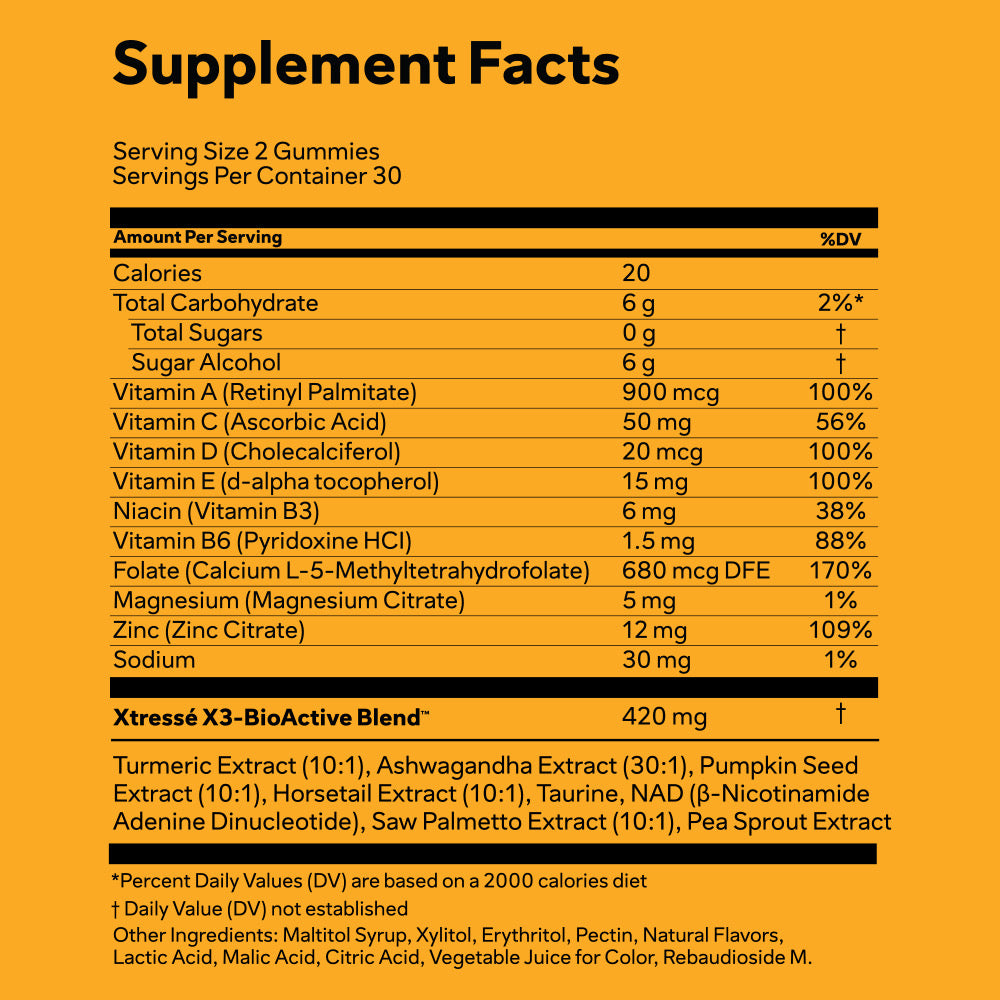 When examining ashwagandha hair loss claims, it's important to separate research on an individual ingredient from research on a complete formula.
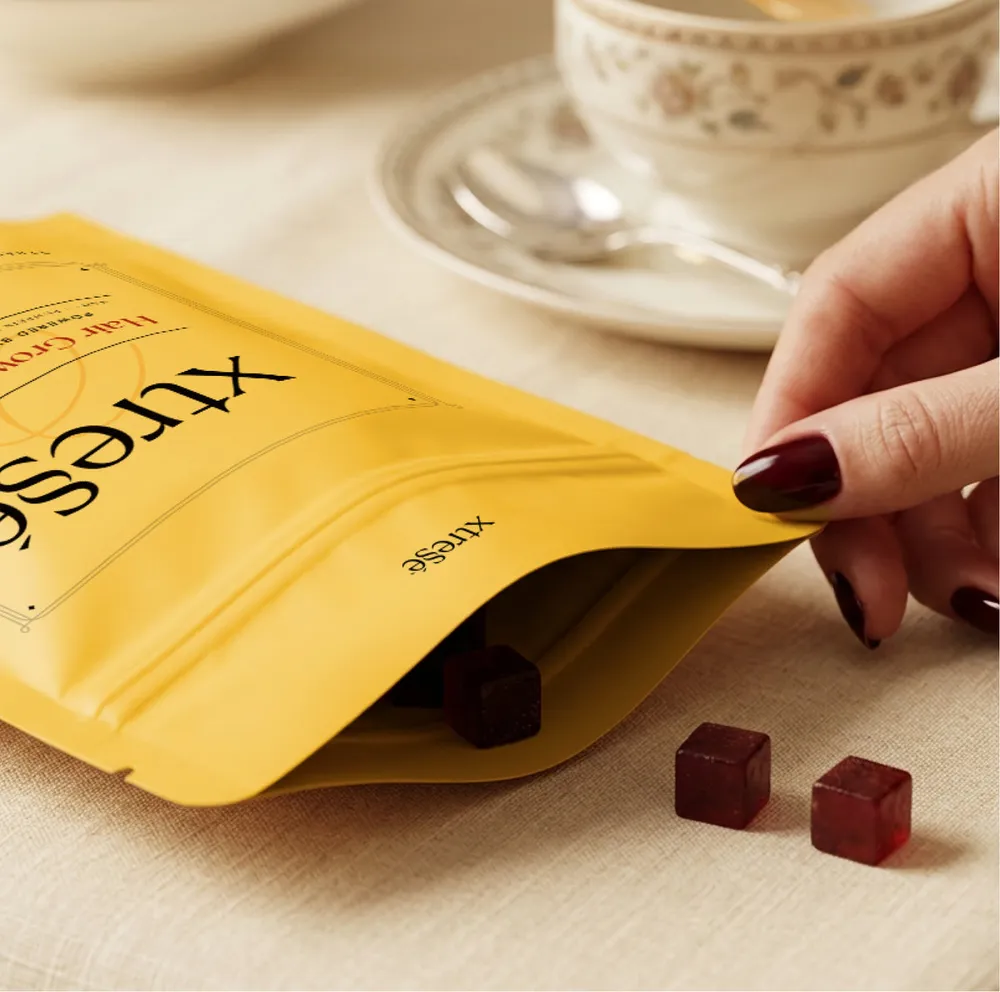
At Xtressé, we take a dermatologist-developed approach to supporting hair health from within. Our biotin-free Hair Growth Gummies ashwagandha in the proprietary X3-BioActive Blend™, alongside NAD+, pumpkin seed extract, taurine, saw palmetto, horsetail extract, turmeric extract, and pea sprout extract.
Ashwagandha supports the body's stress response and provides antioxidant properties. Rather than relying on one botanical, our formula brings together multiple research-backed ingredients as part of our broader approach to hair wellness.
Our Hair Growth Gummies are being evaluated in an ongoing four-month, open-label, single-group clinical study involving women with self-perceived thinning hair. Because the study does not include a placebo control, it cannot establish what the formula does or identify the effects of ashwagandha alone. Individual results may vary.
Disclaimer: These statements have not been evaluated by the Food and Drug Administration. This product is not intended to diagnose, treat, cure, or prevent any disease.
Ashwagandha Hair Loss Questions Need More Than a Yes-or-No Answer
So, can ashwagandha cause hair loss? Current research has not established it as a common cause. Small human trials suggest potential hair-health benefits from specific extracts, but more research is needed to confirm their effectiveness and long-term safety.
Before taking an ashwagandha supplement, consider the formulation, dose, medication interactions, and your individual health needs. Sudden, patchy, or persistent hair loss deserves a dermatologist evaluation.
Explore Xtressé Hair Growth Gummies to learn how ashwagandha fits alongside other research-backed bioactives in our dermatologist-developed approach to supporting healthy hair from within.
FAQs
1. How long does ashwagandha take to work?
It varies by person and formulation. Some studies report changes in stress levels within about a month, but hair-related benefits may take longer and are not yet established.
2. Can ashwagandha affect thyroid function?
Yes. Ashwagandha may affect thyroid hormone levels. People with thyroid conditions should consult a doctor before using it.
3. Can women take ashwagandha for hair loss?
The two hair studies included both women and men, but no study has looked at women alone, and more research is needed to confirm any benefits.
4. Can I take ashwagandha with other supplements?
It depends on the ingredients and your health needs. Consult a healthcare professional before combining supplements.
5. Who should avoid ashwagandha?
Pregnant or breastfeeding women and people with thyroid or autoimmune conditions should avoid it unless advised by a healthcare professional.
Sources
Yerram C, Jillella A, Reddy V. Effects of Withania somnifera root extract serum application on hair health in healthy adults: A prospective, double-blind, randomized, parallel, placebo-controlled study. Journal of Ayurveda and Integrative Medicine 14(6):100817 (PMC10709127); 2023 (published online November 24, 2023). Accessed November 4, 2026. PMID: 38006746.
Jillella A, Keerthi N, Venkateswar Reddy J. A Prospective, Randomized, Double-Blind, Placebo-Controlled Clinical Study of Efficacy and Safety of Ashwagandha Root Extract Capsule on Skin and Hair Health in Healthy Adults. Phytotherapy Research 40(8):4946–4959 (PMC13436047); 2026 (published online March 2, 2026). Accessed November 4, 2026. PMID: 41770039.
NIH Office of Dietary Supplements. Ashwagandha: Is it helpful for stress, anxiety, or sleep? Fact Sheet for Health Professionals. National Institutes of Health; 2025 (updated May 2, 2025). Accessed November 4, 2026.
National Center for Complementary and Integrative Health. Ashwagandha. National Institutes of Health; 2023 (last updated March 2023). Accessed November 4, 2026.
MedlinePlus Medical Encyclopedia (updated by Ramin Fathi, MD, FAAD). Hair loss. U.S. National Library of Medicine; 2025 (reviewed June 3, 2025). Accessed November 4, 2026.
Xtressé. Hair Growth Gummies. xtresse.com product page; study footnote updated August 2026 (ClinicalTrials.gov NCT07224555). Accessed November 4, 2026.
Disclaimer
This article is for educational purposes only and is not medical advice. Ashwagandha is not a proven hair loss treatment. Consult a healthcare professional before use, especially if you take medication, have a medical condition, or are pregnant or breastfeeding. Individual results vary, and long-term safety remains uncertain.
Key takeaways
- Ashwagandha is a traditional herb commonly studied for stress and sleep.
- Early research suggests it may have potential hair-health benefits.
- More human studies are needed to confirm its effects on hair growth.
- Ashwagandha may affect thyroid function and interact with certain medications.
- It isn’t an established way to manage hair loss. Consult a healthcare professional before use.