
Article · Causes of Hair Loss
Hair Shedding vs. Hair Loss: What's the Difference?
The short answer
The difference in hair shedding vs. hair loss comes down to one question: is your hair still growing? Shedding is the last step in each hair's growth cycle, and losing 50 to 100 hairs a day is normal, according to the American Academy of Dermatology (AAD). Hair loss is different: something has stopped the hair from growing, and it won't grow until that cause stops. A sudden burst of heavy shedding has a name: telogen effluvium. Some people have both at once.
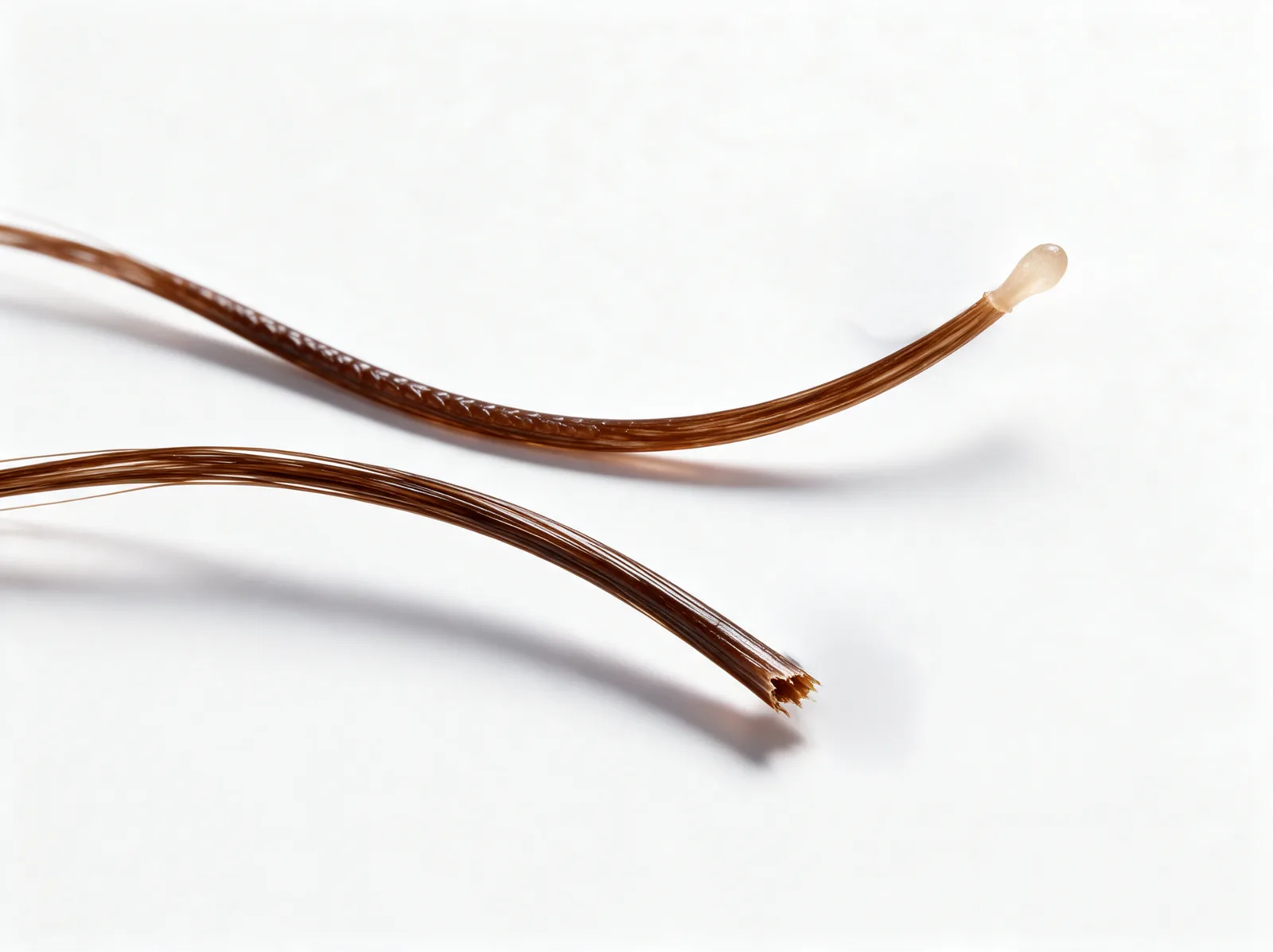
Why does hair shed at all?
Hair follicles cycle between growing and resting. On a healthy scalp, about 85% of hairs are growing and about 15% are resting, according to a StatPearls review of telogen effluvium. Shedding hair is how the cycle starts over: a new growing hair forms under the resting one and pushes it out.
Why can shedding suddenly ramp up?
Telogen effluvium starts when a stressor sends a large number of growing hairs into the resting phase at the same time, the StatPearls review explains. When those follicles start growing again, the resting hairs are pushed out together. That's why the shedding shows up about 3 months after the trigger on average, though the gap can be anywhere between 1 and 6 months. By then, people have often recovered from the illness or event and may not connect the two.
The AAD lists triggers such as a high fever, an operation, an illness, a lot of stress, losing 20 pounds or more, and stopping birth-control pills. With telogen effluvium, washing, combing or running your fingers through your hair can bring out handfuls at a time, notes MedlinePlus. Even so, StatPearls says people with this kind of shedding can keep up their normal washing and styling.
As the body readjusts, the extra shedding often stops, but it can last a long time if the stressor doesn't go away, the AADsays.
What makes hair loss different?
During telogen effluvium, the number of hair follicles is typically normal and the scalp isn't scarred, according to StatPearls. According to the AAD, hair loss most often comes from hereditary hair loss, an immune system that overreacts, some drugs, pulling hairstyles, harsh hair-care products and a compulsion to pull out one's own hair.
Hereditary hair loss mainly comes from an excessive response to hormones called androgens, which shortens each hair's growing phase. Over time, the follicles shrink and become thinner and shorter, according to a StatPearls review of androgenetic alopecia. Women may notice gradual thinning, while men tend to see a receding hairline or a bald spot that starts in the middle of the scalp, says the AAD. The NHS, for its part, uses "hair loss" for temporary types too, such as those linked to illness, stress or weight loss, but notes that male and female pattern baldness are permanent and usually run in the family.
Styling habits can blur the line, too. Cleveland Clinic notes that tight hairstyles or heavy styling can increase shedding, and if that goes on for a long time, it can end in permanent hair loss.
Hair shedding vs. hair loss: how a doctor tells them apart
In women, a bout of telogen effluvium often unmasks pattern hair loss, the StatPearls review of androgenetic alopecianotes. Cleveland Clinic says more shedding than usual, thin or bald areas, a shifting hairline, and an irritated or sensitive scalp may be signs you're losing too much hair.
Rather than guessing from these signs, it's worth asking a dermatologist, who can tell you which one you have, according to the AAD. Often, your medical history plus an exam of your hair and scalp is enough to pin down the cause, per MedlinePlus. Bring a full hair history too: when you first noticed thinning, where it is, how much there is, and any other symptoms, Cleveland Clinic advises.
When to talk to a doctor
See a doctor or dermatologist if you're worried about how much hair you're losing. MedlinePlus also suggests contacting your provider about hair loss that's fast, starts early (such as in your teens or 20s) or follows an unusual pattern, itching or pain with it, red or scaly skin on the affected area, or bald spots in your beard or eyebrows.
If you suspect a medicine, check with your doctor before stopping it, since stopping some medicines suddenly can cause serious side effects, the AAD cautions.
Sources
American Academy of Dermatology. Do you have hair loss or hair shedding? AAD; No date shown. Accessed October 15, 2026.
Cleveland Clinic Health Essentials, with Wilma Bergfeld, MD. When To Worry About Hair Loss. Cleveland Clinic; May 19, 2026. Accessed October 15, 2026.
NHS. Hair loss. NHS website; page last reviewed January 24, 2024. Accessed October 15, 2026.
MedlinePlus Medical Encyclopedia (updated by Ramin Fathi, MD, FAAD). Hair loss. U.S. National Library of Medicine; reviewed June 3, 2025. Accessed October 15, 2026.
Hughes EC, Syed HA, Saleh D. Telogen Effluvium. StatPearls Publishing (NCBI Bookshelf); last updated May 1, 2024. Accessed October 15, 2026. PMID: 28613598.
Ho CH, Sood T, Zito PM. Androgenetic Alopecia. StatPearls Publishing (NCBI Bookshelf); last updated January 7, 2024. Accessed October 15, 2026. PMID: 28613674.
This article is for education only and is not medical advice. Talk with your healthcare provider about your own hair and scalp health.
Key takeaways
- Shedding hair is how the cycle starts over: a new growing hair forms under the resting one and pushes it out.
- Telogen effluvium shedding shows up about 3 months after the trigger on average, though the gap can be anywhere between 1 and 6 months.
- As the body readjusts, the extra shedding often stops, but it can last a long time if the stressor doesn't go away.
- Tight hairstyles or heavy styling can increase shedding, and if that goes on for a long time, it can end in permanent hair loss.
- Often, your medical history plus an exam of your hair and scalp is enough to pin down the cause.
Related from the Learning Hub
 0:17
Less Hair in the Towel: An Aesthetician's Husband Tries Xtressé
Kendra Tilleman, an aesthetician and owner of Skinfinity, got her husband to try Xtressé. She says he checks his towel for shed hair after every shower and has been losing less since he started.
 5 min read
How Much Hair Loss Is Normal in a Day?
How much hair loss is normal? Ask how much hair you lose in a day, and the American Academy of Dermatology and the NHS both say about 50 to 100 strands is normal, while Cleveland Clinic puts the everyday range as high as 150 and calls shedding a normal part of hair growth. What Cleveland Clinic flags as a possible problem is a sudden, dramatic shift in the amount you're losing. Your scalp holds roughly 100,000 or more follicles, so a day's shedding is a small share of the whole. A single mature follicle goes through 25 to 30 cycles over its lifetime.
 4 min read
Why Am I Losing So Much Hair? What a 2008 Review Says About Female Pattern Hair Loss
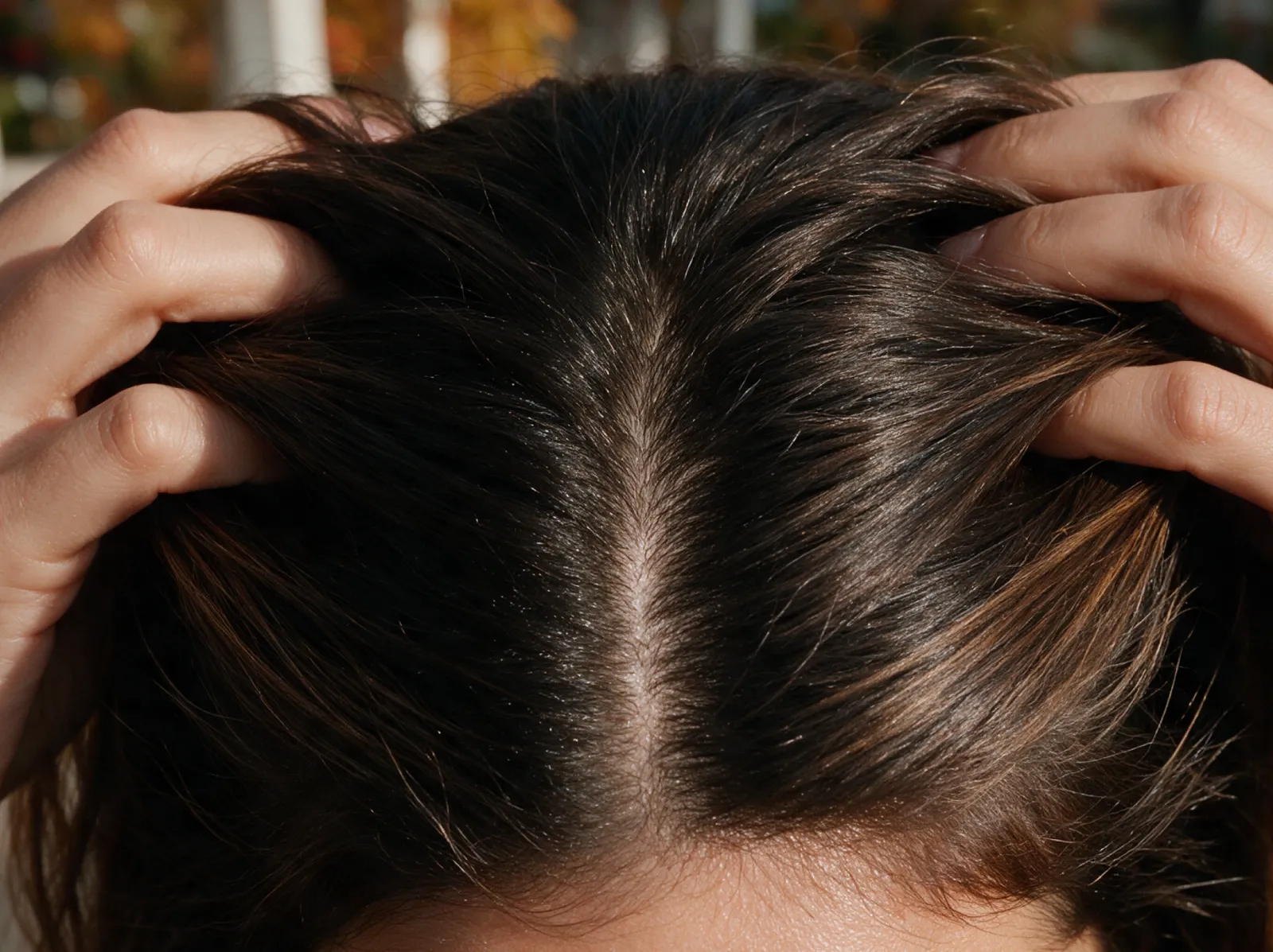
For many women, slow thinning comes from female pattern hair loss (FPHL), according to a 2008 review by Dr. Matt Leavitt. It tends to come on gradually and often shows first along the center part. The hairline and temples usually stay in place. This review names it as one of three main types of hair loss in women, along with alopecia areata and telogen effluvium, a sudden, heavy shedding. Because these can look alike, the author says the first step is finding out which kind you have.

