What Is Telogen Effluvium? Signs, Triggers and Timeline

The short answer
Telogen effluvium is a common, temporary type of hair shedding that follows a physical or emotional shock to the body, according to DermNet and Cleveland Clinic. StatPearls and the American Academy of Dermatology explain that the shock tips a large share of growing hairs into their resting phase at once, and a few months later they fall out together. It usually involves less than half the hair on the scalp, and it doesn’t lead to complete baldness, according to a 2015 review and DermNet. DermNet adds that the same shock can leave a faint groove across your fingernails, called a Beau line, because hair and nails respond to the same influences.
What is telogen effluvium?
The same review describes a kind of biological clock inside each follicle that decides when growth ends. Illness and other stresses on the body can throw that clock off, so many follicles go into rest at once. With a high fever, for example, immune chemicals called cytokines can make growing follicle cells die off early.
StatPearls and the American Academy of Dermatology (AAD) list triggers such as:
a high fever, serious infection, surgery or major injury
giving birth
losing 20 pounds or more, crash dieting or eating too little protein
heavy stress, like caring for a sick family member or going through a divorce
stopping birth control pills
thyroid problems, low iron or some medications
On average, StatPearls notes, the trigger came about three months before the shedding, though the gap can be one to six months. Sometimes no clear cause turns up.
Telogen effluvium symptoms
According to Cleveland Clinic, signs include:
More hair than usual in your brush or shower drain: most healthy people shed no more than about 100 hairs a day, while telogen effluvium can push that to over 300.
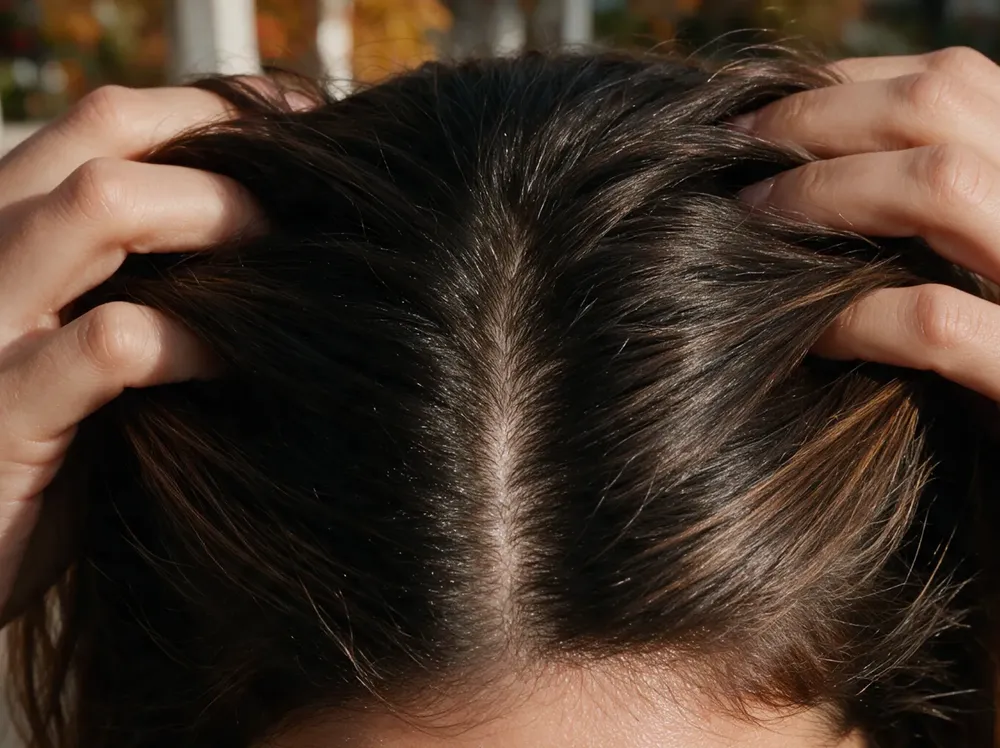
Thinning spread across the scalp, often most noticeable on top.
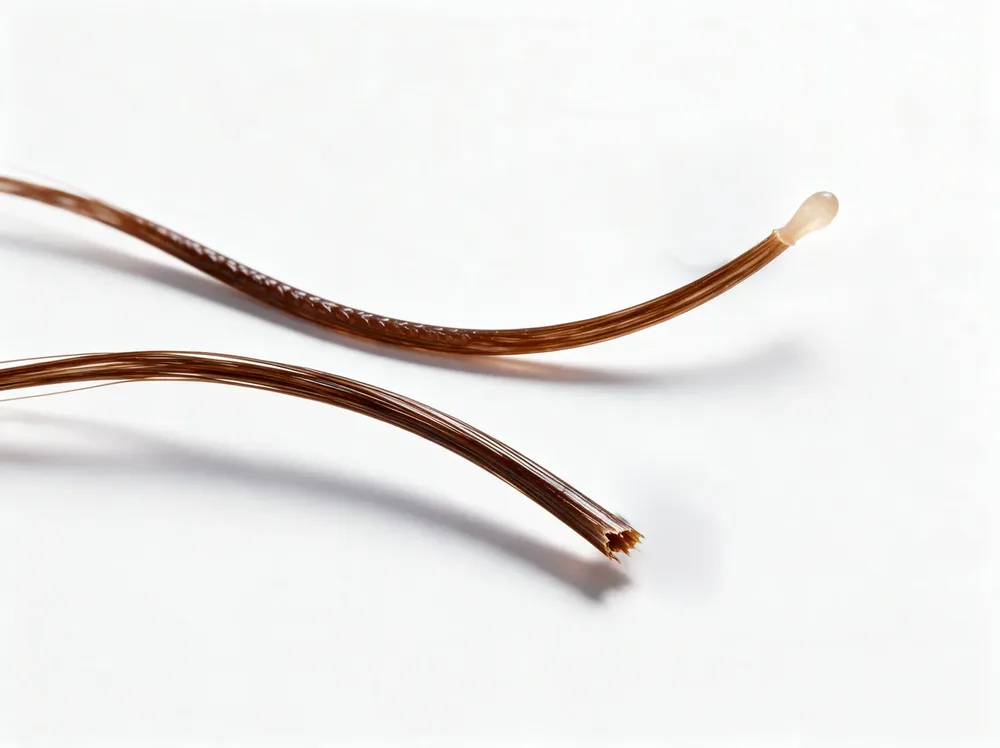
Shed hairs with a tiny white bulb at the root, the normal end of a resting hair.
An otherwise normal-looking scalp, with no rash, itch, soreness or flaking.
How long does telogen effluvium last?
Acute telogen effluvium causes temporary hair shedding that lasts less than six months, according to StatPearls. Hair typically regains its usual fullness within six to nine months as the body readjusts.
If the stressor sticks around, shedding can too, the AAD notes. DermNet and Cleveland Clinic describe a long-lasting (chronic) form that goes on for more than six months, sometimes for years. When there’s no clear trigger, it’s seen more often in women between 30 and 60.
What are the signs of telogen effluvium recovery?
According to DermNet, shedding peaks, then gradually slows, and short new hairs appear, sometimes as a fine fringe along the front hairline. Oddly, heavy shedding can itself be a sign that new growth is under way. StatPearls and DermNet say recovery is usually good, though it’s incomplete for some people, and repeated episodes can sometimes lead to pattern hair loss. In the meantime, both suggest washing and styling as usual, just gently.
When to talk to a doctor
See a doctor or dermatologist if shedding lasts longer than six months or keeps coming back, if you notice bald patches or a widening part, or if your scalp itches, hurts or flakes. Mention it, too, if you feel unusually tired or cold or are gaining weight, which can point to a thyroid issue, StatPearls notes. If you think a medicine is behind it, don’t stop it without talking to your prescriber, the AAD advises.
A dermatologist can tell whether you have shedding, hair loss or both, the AAD says. Expect a scalp exam, which may include a gentle pull test: the doctor tugs a small bunch of 40 to 60 hairs, and normally only two or three come out, according to Cleveland Clinic and the 2015 review. Blood tests, such as a thyroid or iron check, may follow, StatPearls and Cleveland Clinic note.
Disclosure:
This article is for education only and is not medical advice. Talk with your healthcare provider about your own hair and scalp health.
Sources
American Academy of Dermatology. Do you have hair loss or hair shedding? aad.org. No date shown. Accessed October 8, 2026.
Chang FLC; Oakley A, editor. Telogen effluvium (hair shedding). DermNet; updated November 2019. Accessed October 8, 2026.
Cleveland Clinic. Telogen Effluvium. Last updated December 1, 2022. Accessed October 8, 2026.
Hughes EC, Syed HA, Saleh D. Telogen Effluvium. StatPearls. StatPearls Publishing; updated May 1, 2024. PMID 28613598.
Malkud S. Telogen Effluvium: A Review. J Clin Diagn Res. 2015;9(9):WE01–WE03. doi:10.7860/JCDR/2015/15219.6492. PMID 26500992. Accessed October 15, 2026.
Key takeaways
- Telogen effluvium causes increased shedding across the scalp. It often follows illness, childbirth, surgery, significant weight loss, nutritional deficiencies or emotional stress.
- Shedding usually starts a few months after the trigger. The delay can make the cause difficult to identify.
- Most cases are temporary. Acute shedding lasts less than six months, but restoring hair fullness takes longer, and recovery varies.
- Recovery is gradual. Shedding typically slows and short new hairs appear as growth resumes.
- Ongoing or recurring shedding deserves evaluation. A dermatologist can check for underlying causes and other types of hair loss. Seek advice sooner for bald patches, scalp symptoms or other health concerns, and speak with your prescriber before stopping medication.